
- Joined
- Jul 7, 2014
- Messages
- 462
- Reaction score
- 2
- Points
- 31
Proper procedure in reshoocking drain battery by using rps w/ ammeter
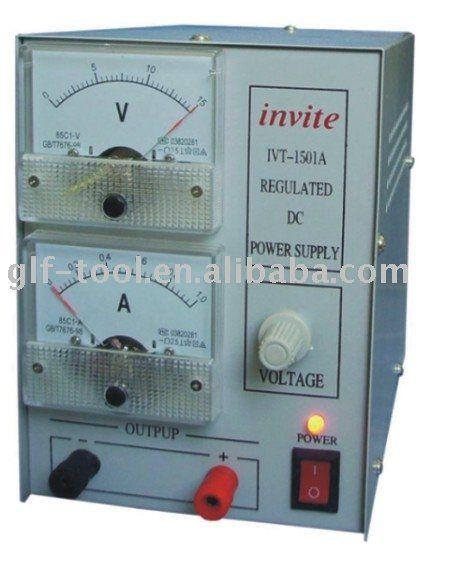
PROPER PROCEDURE in reshocking drained battery:
1. turn "on" the voltage regulator and set the voltage to "zero" volt

2. connect the battery to the voltage regulator (positive to positive, and negative to negative) otherwise the regulator will beep (if there is beeper) and change its light color (from green to red or yellow to red) if improper connection
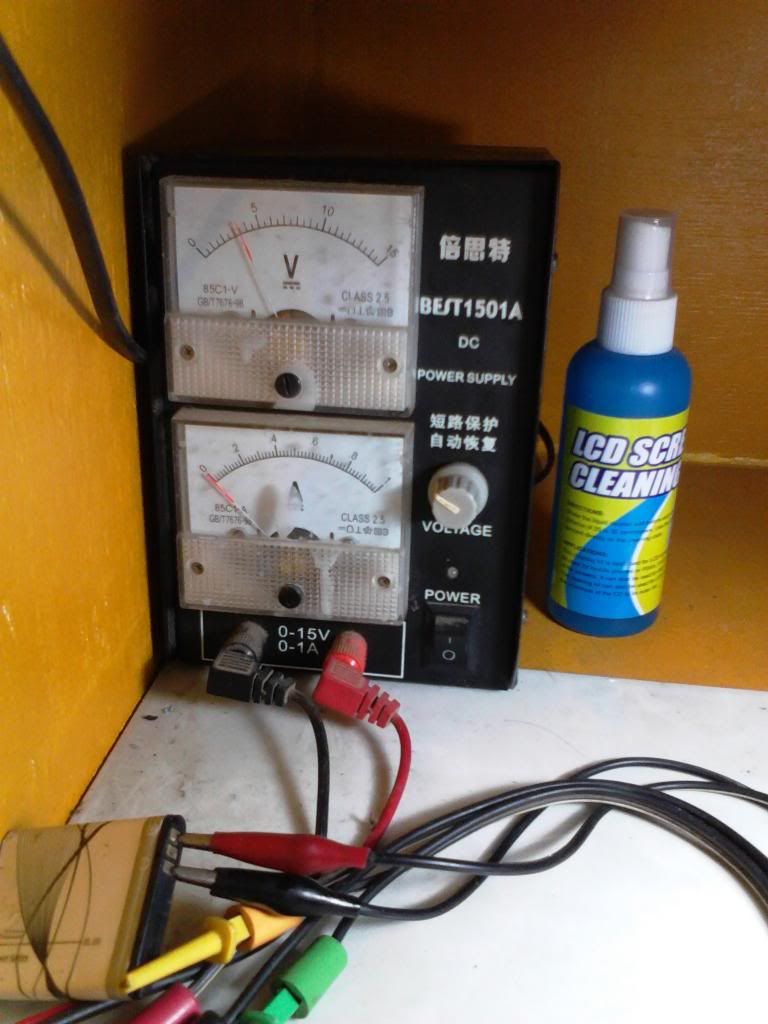
in this example: actual voltage of battery is 3 volts
3. observe the voltage needle, it will deflect.. that's the actual value of battery voltage.. most likely below 3 volts.. if no deflections occur, does it mean that battery is dead, but sometimes it can still revived.

4. turn the knob slowly to adjust the voltage of the RPS, observe the ammeter needle as it will deflect while you are adjusting the voltage,
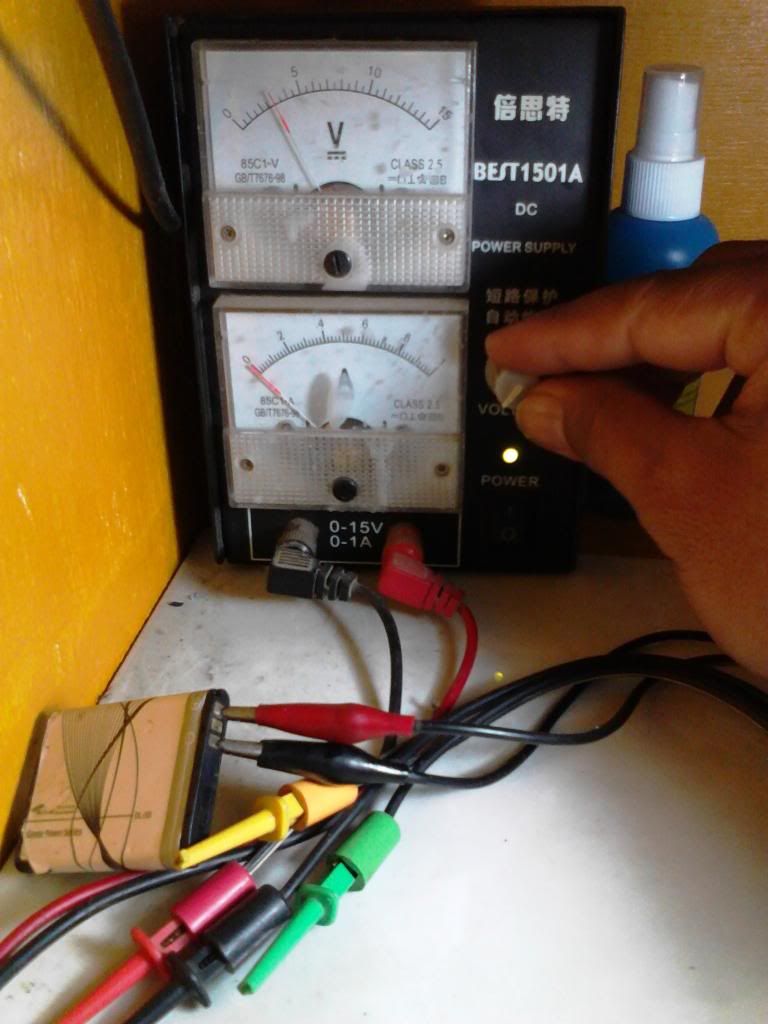
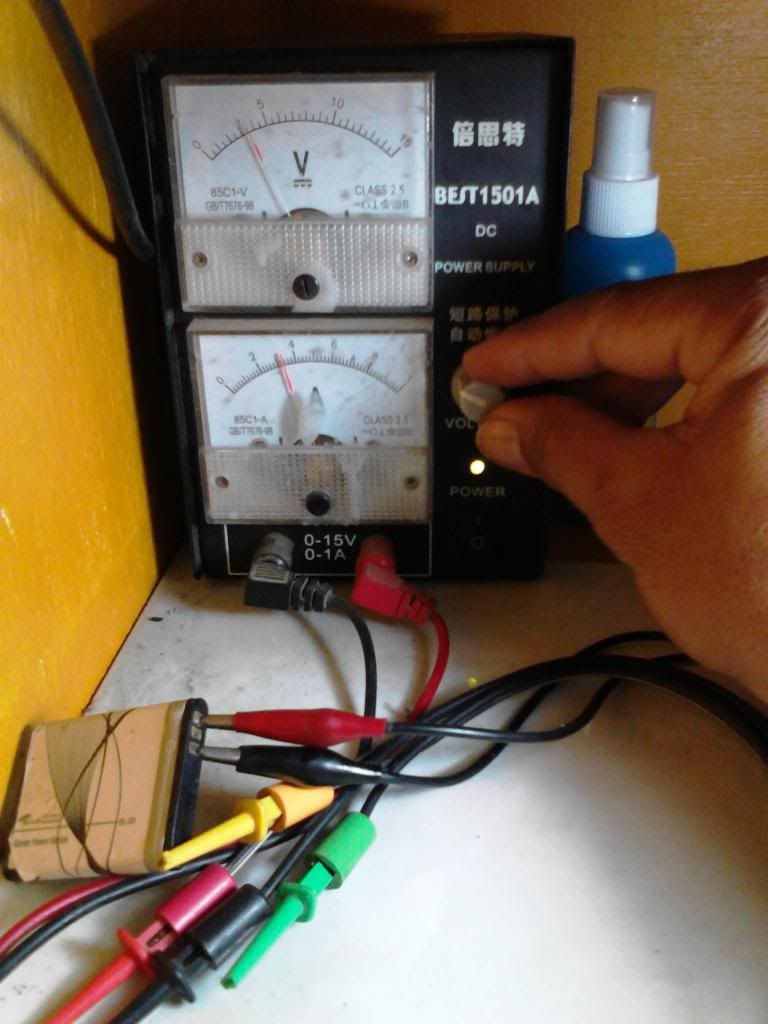
5. continue turn the knob as you adjust the voltage until the ammeter reader reaches to the center. the observe, it will slowly turn/go down,,, it is means that the regulator is now reshocking your battery. (note: do not over adjust the knob, ammeter reader must be at maximum only at the center deflection, if so, it will damage or explode your battery)
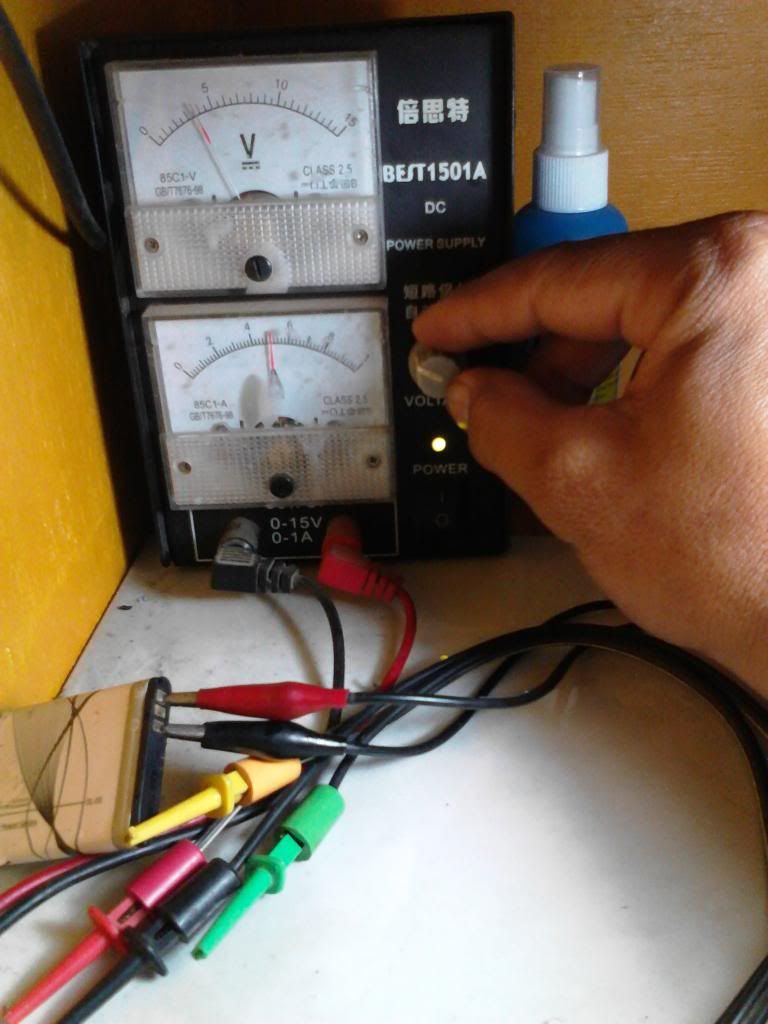
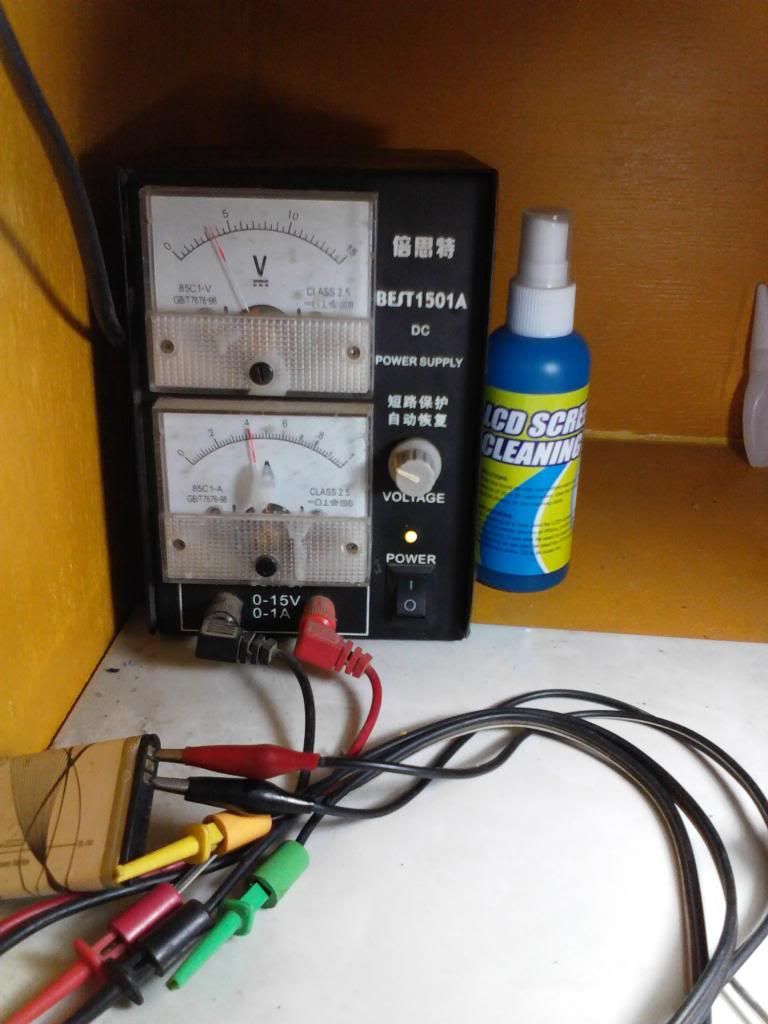
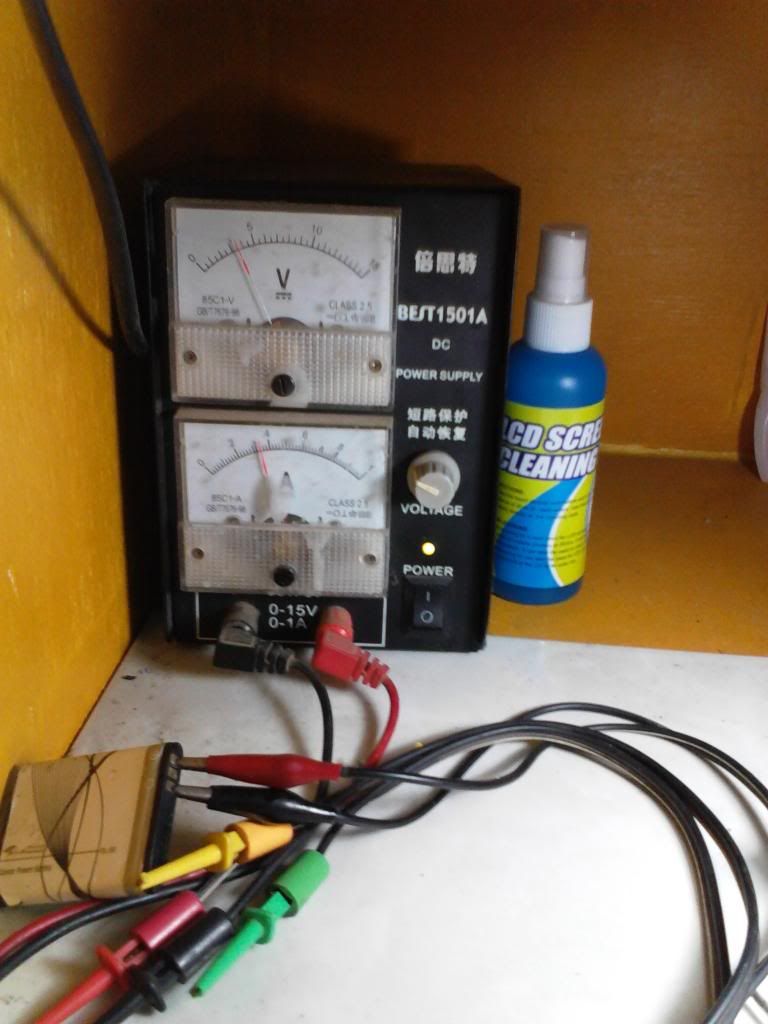
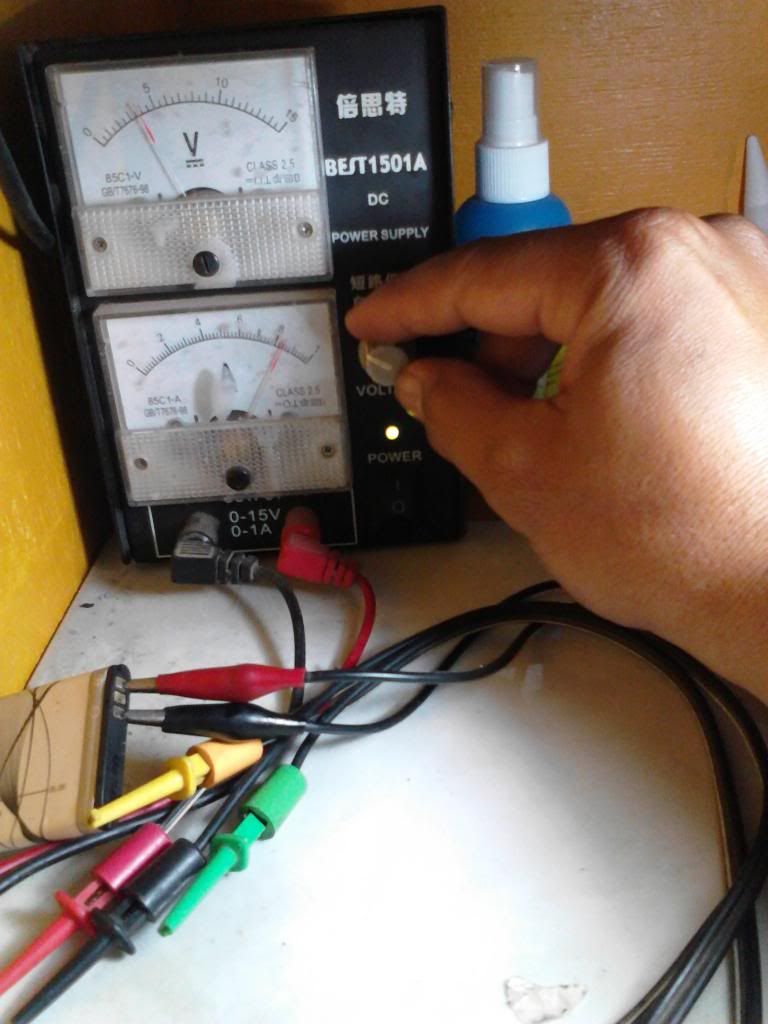
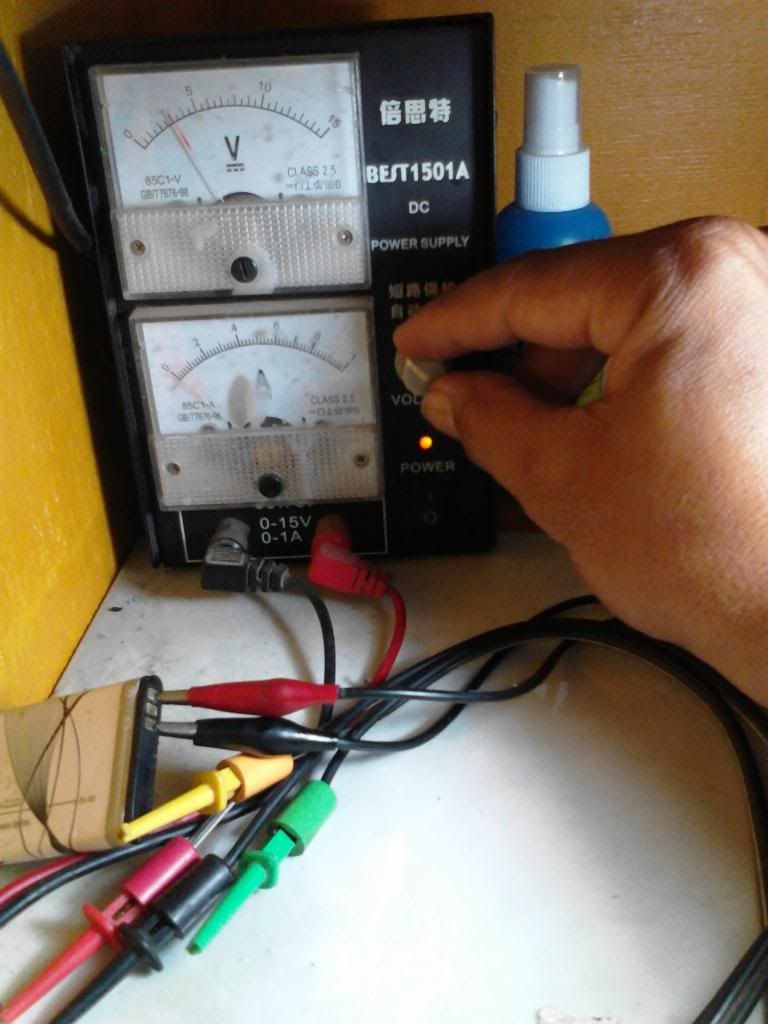
6. do step #5 (1, 2, 3 times, it defends on the actual voltage of battery) until the ammeter reader stays at the middle. it means that reshocking is now successful or done.
7. turn "off" the rps or adjust it to zero volt by turning the knob full counter clockwise, then observe, the voltage meter still have its deflection,, and that's above 3.7 volts... that is the actual voltage now of your battery.
now: the actual voltage of the battery is 3.7 volts
8. if its actual voltage reaches above 4 volts.. it is mean the battery is defective and if being used it will be fast drain...
PROPER PROCEDURE in reshocking drained battery:
1. turn "on" the voltage regulator and set the voltage to "zero" volt
2. connect the battery to the voltage regulator (positive to positive, and negative to negative) otherwise the regulator will beep (if there is beeper) and change its light color (from green to red or yellow to red) if improper connection
in this example: actual voltage of battery is 3 volts
3. observe the voltage needle, it will deflect.. that's the actual value of battery voltage.. most likely below 3 volts.. if no deflections occur, does it mean that battery is dead, but sometimes it can still revived.
4. turn the knob slowly to adjust the voltage of the RPS, observe the ammeter needle as it will deflect while you are adjusting the voltage,
5. continue turn the knob as you adjust the voltage until the ammeter reader reaches to the center. the observe, it will slowly turn/go down,,, it is means that the regulator is now reshocking your battery. (note: do not over adjust the knob, ammeter reader must be at maximum only at the center deflection, if so, it will damage or explode your battery)
6. do step #5 (1, 2, 3 times, it defends on the actual voltage of battery) until the ammeter reader stays at the middle. it means that reshocking is now successful or done.
7. turn "off" the rps or adjust it to zero volt by turning the knob full counter clockwise, then observe, the voltage meter still have its deflection,, and that's above 3.7 volts... that is the actual voltage now of your battery.
now: the actual voltage of the battery is 3.7 volts
8. if its actual voltage reaches above 4 volts.. it is mean the battery is defective and if being used it will be fast drain...


